If you've ever wrestled with a seatbelt that keeps slipping out of position when fitting a car seat, you'll understand immediately why the BeSafe belt collector exists. It's a small accessory — easy to overlook — but it plays a genuinely important role in making sure your child's seat stays secure every single journey.
This post explains what the belt collector does, which BeSafe seats it's designed for, how to fit it correctly, and why getting belt routing right matters far more than most parents realise.
What Is the BeSafe Belt Collector?
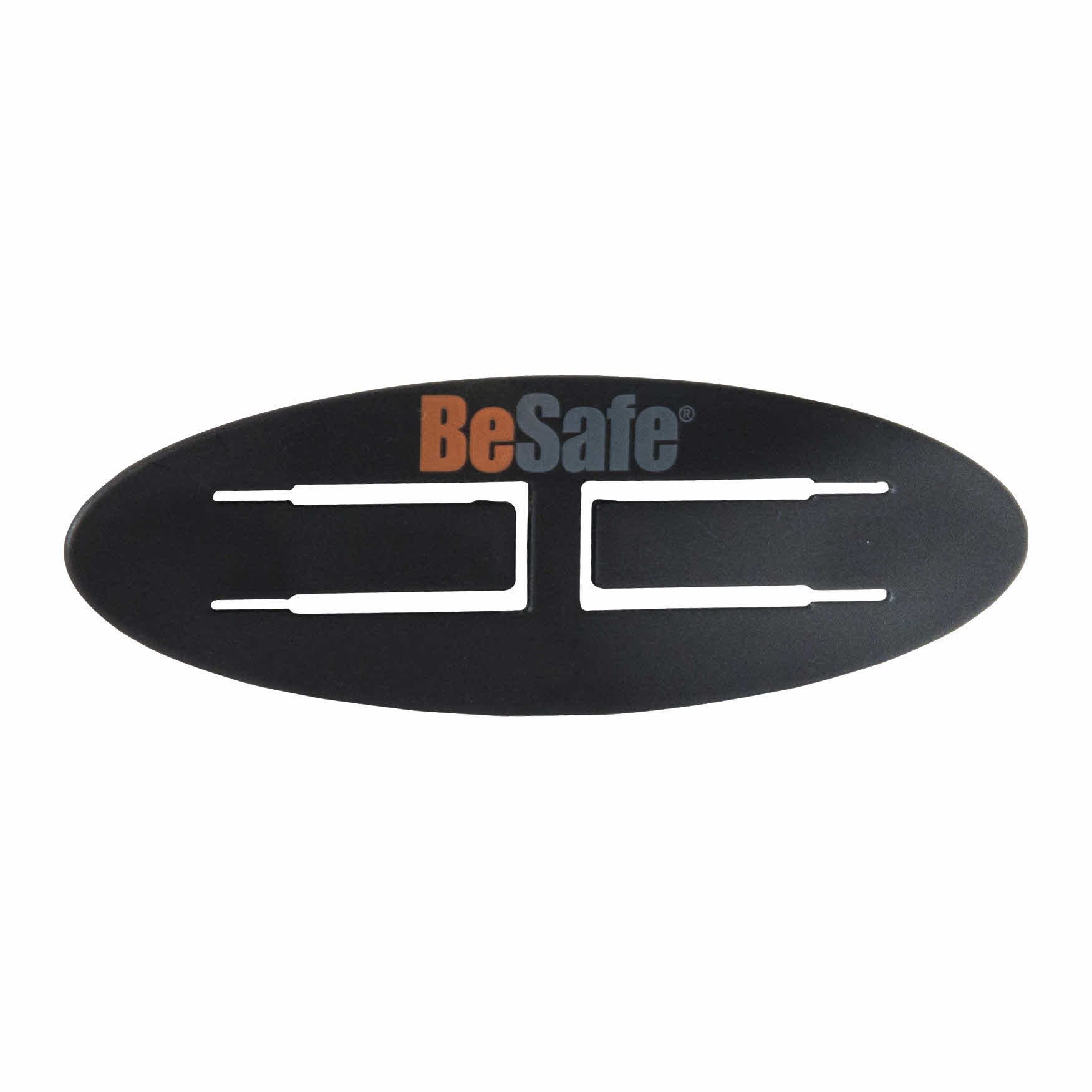
The BeSafe belt collector is a simple clip-style accessory that holds the vehicle's shoulder belt in the correct position when installing a BeSafe car seat using the seatbelt (rather than ISOFIX). Its job is twofold: it keeps the shoulder belt routed exactly where it needs to be during installation, and it makes it harder for a child to slide out from beneath the belts during use.
That second point is worth pausing on. A belt that hasn't been collected — that is, one that sits loosely across the seat shell — can allow more slack than you'd expect in an impact. The belt collector removes that variable by holding the shoulder portion firmly in its intended path.
It's the kind of accessory that looks almost too simple to matter. In practice, it's the sort of small thing that makes a correctly installed seat stay correct.
Safety note: Even with well-designed seats, belt routing errors are widely recognised as a significant installation concern — something that comes up regularly during professional car seat checks. A belt collector doesn't replace understanding how to install your seat — but it does make it considerably easier to get right.
Which BeSafe Seats Use the Belt Collector?
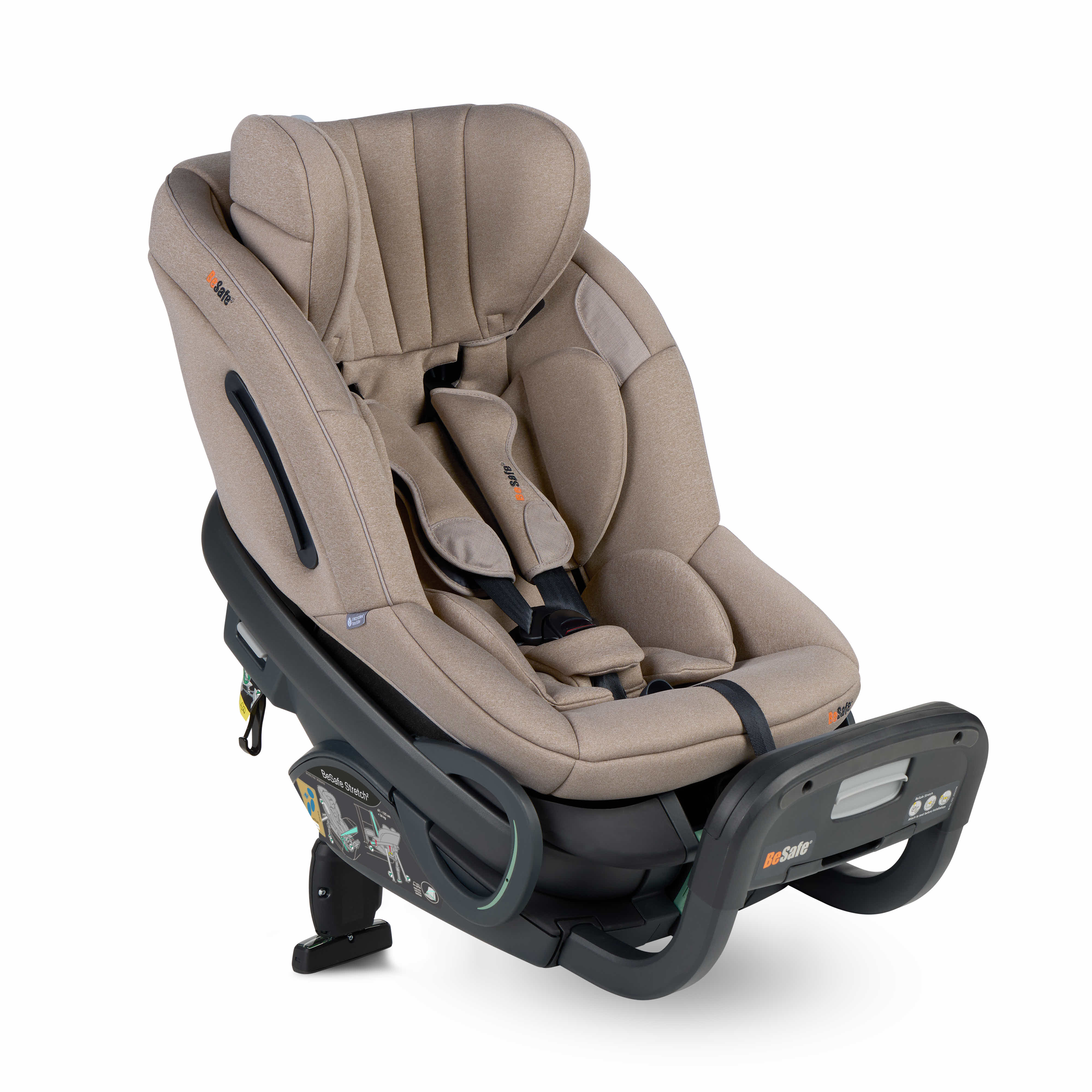
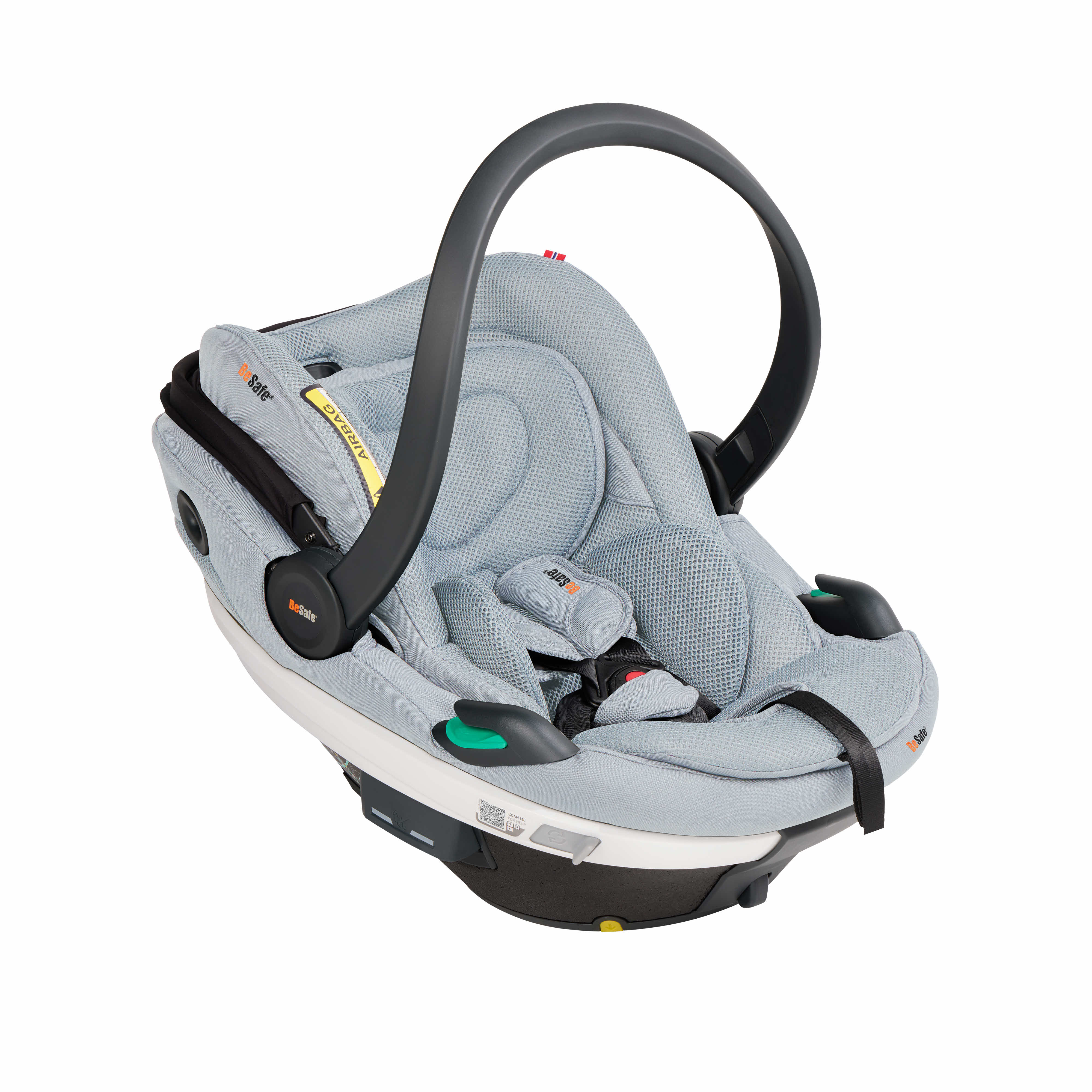
The belt collector is designed for use with BeSafe seats that offer a seatbelt installation option. This includes seats in the BeSafe range such as the BeSafe iZi Flex Fix i-Size and the BeSafe Beyond. For the most accurate and up-to-date information on which installation methods are supported for each specific model — including whether belt installation is available — we'd recommend checking directly with BeSafe or confirming with your retailer, as specifications can vary.
If you're using your BeSafe seat in belt-installation mode — particularly in a second car without ISOFIX points, or in a vehicle where ISOFIX positions are limited — the belt collector becomes especially relevant.
It's also worth noting that many parents choose belt installation intentionally. Some seats actually perform excellently in belt mode, and for vehicles without rear ISOFIX, it can be the only practical option. Having the belt collector fitted correctly means you're not compromising safety when ISOFIX isn't available.
If you're unsure whether your specific BeSafe seat requires or recommends the belt collector, check the seat's instruction manual or contact BeSafe directly — they're straightforward about which accessories work with which models.
Why Belt Routing Matters So Much for Rear-Facing Seats
Rear-facing car seats are designed so that crash forces are managed by the seat structure itself, cradling the child and working to reduce the loads transmitted to the child's body. This design principle is central to why rear-facing is widely regarded as the safer orientation for young children, and why many safety-conscious organisations and researchers encourage keeping children rear-facing for as long as practically possible within the limits of their seat.
But all of that protection depends on the seat being correctly installed in the first place.
When a rear-facing seat is installed using the seatbelt, the belt typically needs to pass through specific guides or channels built into the seat shell. If the shoulder portion of the belt isn't routed correctly — if it's twisted, sitting too high, or slipping out of position — the seat won't perform as intended in a collision. The energy that should be distributed across the seat base and shell may instead be concentrated in the wrong places.
This is why belt routing is taken seriously by everyone who installs rear-facing seats professionally. It's also why a small, inexpensive accessory like the BeSafe belt collector is worth using if your seat supports it.
How to Fit the BeSafe Belt Collector Correctly
Fitting the belt collector is straightforward, but it does need to be done in the right sequence as part of your overall installation. Here's the general process:
- Position your BeSafe seat in the vehicle at the correct recline angle as specified in your seat's manual.
- Thread the seatbelt through the designated routing path on the seat — your manual will show exactly which guides the lap and shoulder portions should pass through.
- Attach the belt collector to the shoulder belt at the correct point, following the instructions included with the accessory. It clips onto the belt to hold it in position against the seat shell.
- Buckle the seatbelt as normal, then check that the shoulder belt is sitting firmly in its guide with no slack or twisting.
- Test the installation by pushing firmly on the seat at the belt path — your seat's manual will specify what level of movement is acceptable, so always refer to that guidance directly rather than relying on a general figure.
Tip: Always re-check your installation after the first few journeys. Belts can settle slightly, particularly in a new seat. A quick check before each trip takes seconds and means you can catch any shift early.
If you find the belt collector confusing to position, or if you're not confident your installation is correct, that's not a reason to avoid belt installation altogether — it's a reason to get a professional check.
Getting Your Installation Checked
Even experienced parents sometimes find belt-installed rear-facing seats trickier than expected. Vehicles vary enormously — seat cushion depth, belt geometry, and buckle stalks all affect how a car seat sits, and what works perfectly in one car can behave quite differently in another. For a closer look at how placement decisions affect installation, our guide on rear car seat placement covers the key considerations worth understanding before you fit your seat.
That's exactly why we offer Smalls Install Plus, our professional car seat fitting service. During a Smalls Install Plus appointment, we'll go through your seat installation in your actual vehicle, check the belt routing, confirm the recline angle, and make sure everything is as it should be before you drive away.
If you're based in Somerset or the surrounding area, you can book a Smalls Install Plus appointment directly through our website. If you're further afield and want some guidance, get in touch and we'll do our best to point you in the right direction.
A Small Accessory With a Meaningful Job
The BeSafe belt collector won't be the most exciting purchase you make for your child's car seat setup. It's not a headline feature. But it's the kind of thoughtfully designed accessory that reflects what BeSafe does well — engineering products where the small details are taken seriously because they understand what's actually at stake.
If you have a BeSafe seat that uses belt installation and you don't yet have the belt collector, it's worth checking whether your model recommends it. For most parents, it costs very little and removes one more variable from an installation that needs to be right every time.
For more on choosing and fitting rear-facing seats, take a look at our in-depth BeSafe Flex Fix 2 review and our BeSafe Beyond review for a closer look at two of the seats in the BeSafe range that support belt installation. And if you have questions about whether belt installation is right for your vehicle, we're always happy to help — just drop us a message.